Should I pull out?
A stock-trading tip and a lesson about FOMO based on my own experience.
One of the first things you will discover is that stock trading always has some element of luck. There is no trader who wins 100% of the time.
⚠
This is my story. Not yours.
Just because things worked out for me does not mean they will work out for you. Do not trade something just because you saw it mentioned on the internet. Nothing here is gospel. Take everything with a SHOVEL of salt.
When I first started trading, I fell in love with a stock known as ASTS. They launched satellites into space to provide mobile internet coverage. They were nowhere near profitable. I bought it at around $4. Around a year later, I sold for over $21. I, like most, kept looking at the stock and saw it rise beyond $40 a share. I was disappointed. I had cashed out too early, or so I thought.
ASTS over the last 3 years.
FOMO (also known as Fear of Missing Out)
Many traders suffer from looking at what happened after they left, but you must remember that:
- You could not have predicted what happened. It could just as easily have gone down.
- Complaining without understanding why something happened will not help you.
- You may have missed out here, but you might have gained elsewhere.
Nassim Taleb discusses this in his book Fooled by Randomness: The Hidden Role of Chance in Life and in the Markets. I recommend that every self-respecting trader read it. I will summarise one of my conclusions below.
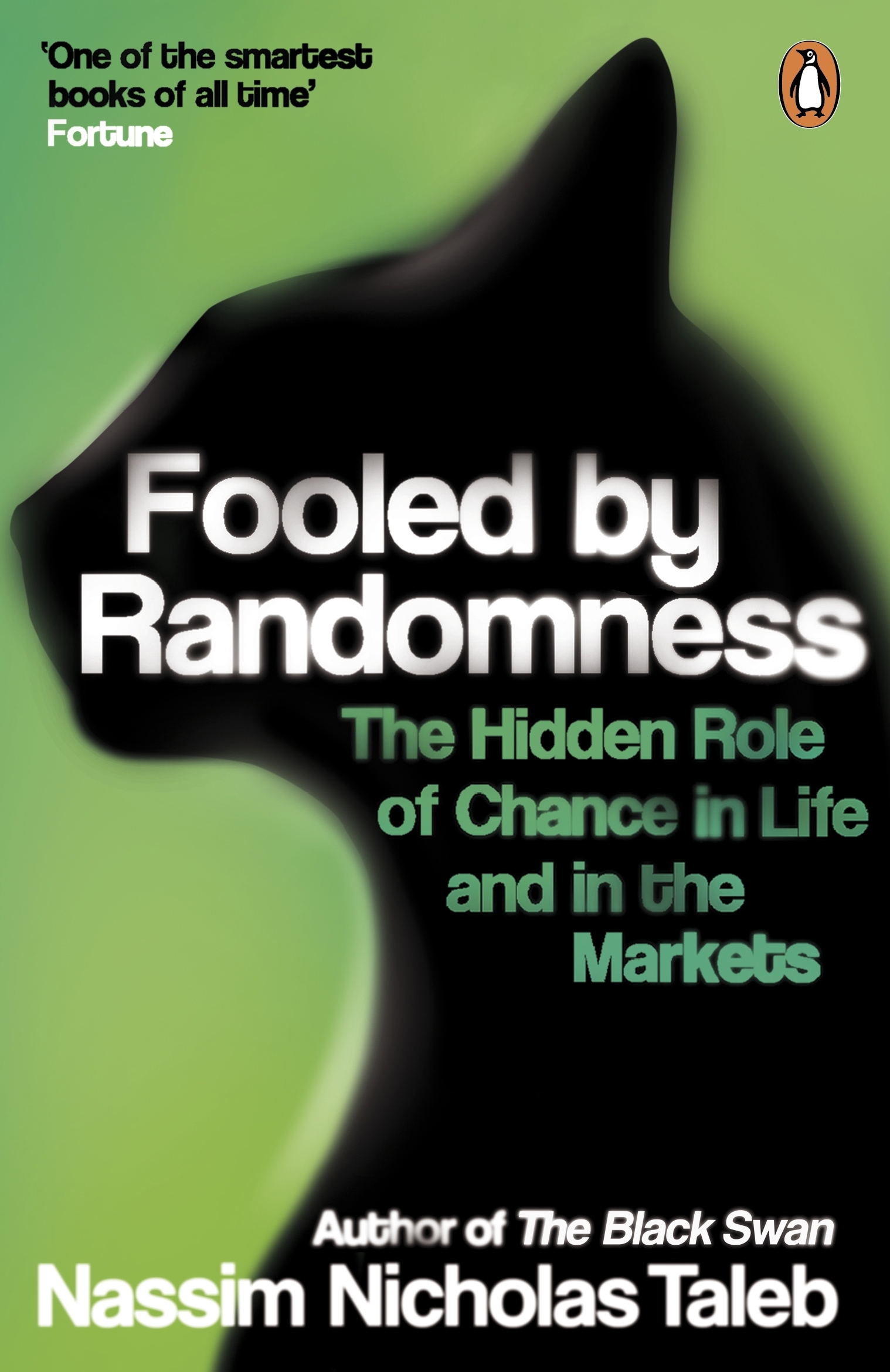
Taleb likens trading in the market to Russian roulette with an unpredictable magazine size. You can win thousands of times, but one loss can wipe you out. In the end, you must decide how much risk you are willing to take.
Human error
Sometimes your risk assessment is the problem. Humans are notoriously bad at visualising risk when faced with potential earnings. This is how I ensure that I do not fall victim:
Before you start an investment, get a piece of paper. Write down how much you expect to make. Set a stop loss for how much you are willing to lose. If the stock goes above the price you wrote down and NO MAJOR MARKET-MOVING EVENTS OCCURRED, then you MUST sell. FOMO has no power over you if you work like a fixed algorithm. If it goes above this price, you sell. You may only change your decision if a NEWS event changes your perspective.
Key takeaways
- No trader wins 100% of the time. Luck is always a factor in stock trading.
- Do not blindly follow what worked for someone else. One person’s success does not guarantee the same result for you.
- FOMO is dangerous. Looking back at what happened after you sold can make you feel regret, but you could not have predicted the outcome.
- Missed gains are not the whole story. You may have missed out on one trade but gained elsewhere.
- Risk can wipe you out. Taleb’s Russian roulette analogy: many wins can be erased by one catastrophic loss.
- Decide your risk tolerance in advance. You must choose how much risk you are willing to take.
- Humans are bad at judging risk when potential profits are involved.
- Use a written trading plan. Before investing, write down your expected profit and your stop loss.
- Follow your plan like an algorithm. If the stock hits your target and no major market-moving event has occurred, sell.
- Only change your plan if real news changes your perspective. Do not let FOMO override discipline.